
Integrating Programmable Frequencies into Sleep and Wellness Brands
In a world where stress and anxiety are prevalent, the quest for better sleep and overall wellness has become a priority for many. As consumers increasingly seek holistic solutions, brands in the sleep and wellness industry are exploring innovative approaches to enhance their offerings. One such approach is the integration of programmable frequencies—a concept that harnesses sound waves to promote relaxation and well-being. This blog post delves into how sleep and wellness brands can effectively incorporate programmable frequencies into their products and services, providing valuable insights and practical examples.
Understanding Programmable Frequencies
Programmable frequencies refer to specific sound waves that can be tailored to produce various effects on the mind and body. These frequencies are often used in sound therapy, meditation, and relaxation techniques. The science behind this concept is rooted in the idea that different frequencies can influence brainwave patterns, leading to states of relaxation, focus, or even sleep.
The Science Behind Frequencies
Research has shown that sound waves can affect our physiological and psychological states. For instance, binaural beats—a form of sound wave therapy—can help synchronize brainwaves, promoting relaxation and reducing anxiety. Frequencies such as 432 Hz and 528 Hz are often associated with healing and balance. By integrating these frequencies into wellness products, brands can offer consumers a unique experience that aligns with their health goals.
Benefits of Integrating Programmable Frequencies
Integrating programmable frequencies into sleep and wellness brands can yield numerous benefits, including:
Enhanced Relaxation: Frequencies can help calm the mind, making it easier for individuals to unwind after a long day.
Improved Sleep Quality: Certain frequencies can promote deeper sleep, helping users wake up feeling refreshed.
Stress Reduction: Regular exposure to calming frequencies can lower stress levels and improve overall mental health.
Increased Focus and Productivity: Frequencies designed for concentration can help users stay focused during work or study sessions.
Practical Applications in Sleep and Wellness Brands
1. Sleep Aids
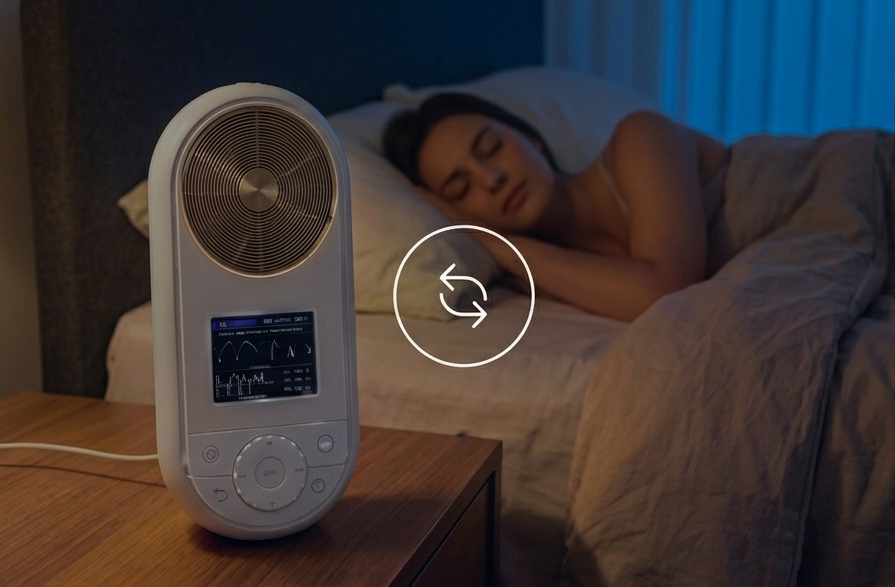
Brands can create sleep aids that incorporate programmable frequencies, such as sound machines or sleep apps. These products can feature a variety of soundscapes, including nature sounds, white noise, and binaural beats, allowing users to choose what resonates with them.
Example: A sleep app could offer a library of soundtracks that include frequencies specifically designed to promote relaxation and deep sleep. Users can customize their experience by selecting different frequencies based on their preferences.
2. Meditation and Mindfulness Tools
Meditation practices can be significantly enhanced by integrating programmable frequencies. Brands can develop guided meditation sessions that incorporate specific sound frequencies to help users achieve a deeper state of mindfulness.
Example: A wellness brand could offer a subscription service that provides weekly guided meditations featuring different frequencies. This approach not only promotes relaxation but also encourages users to explore various meditation techniques.
3. Wellness Workshops and Retreats
Incorporating programmable frequencies into wellness workshops and retreats can create a unique experience for participants. Brands can host sessions that focus on sound therapy, allowing attendees to experience the benefits of frequencies in a group setting.
Example: A wellness retreat could include workshops on sound healing, where participants learn about the effects of different frequencies and engage in group meditation sessions accompanied by sound baths.
Marketing Strategies for Programmable Frequencies
To effectively market products that incorporate programmable frequencies, brands should consider the following strategies:
1. Educate Consumers
Many consumers may not be familiar with the concept of programmable frequencies. Brands should invest in educational content that explains the science behind these frequencies and their benefits. This could include blog posts, videos, and social media content.
2. Leverage Testimonials
Sharing testimonials from users who have experienced positive effects from using products with programmable frequencies can build credibility and trust. Brands can encourage customers to share their stories through social media or on their websites.
3. Collaborate with Experts
Partnering with wellness experts, such as sound therapists or meditation instructors, can enhance a brand's credibility. These collaborations can lead to co-branded products or workshops that highlight the benefits of programmable frequencies.
Challenges and Considerations
While integrating programmable frequencies into sleep and wellness brands presents exciting opportunities, there are challenges to consider:
1. Scientific Validatio
Brands must ensure that the claims they make about the effects of programmable frequencies are backed by scientific research. This may involve collaborating with researchers or conducting studies to validate their products.
2. Consumer Skepticis
Some consumers may be skeptical about the effectiveness of sound therapy and programmable frequencies. Brands should focus on providing clear, evidence-based information to address these concerns.
3. Comptiton
As the wellness industry continues to grow, competition is fierce. Brands need to differentiate themselves by offering unique products and experiences that stand out in the market.
Future Trends in Programmable Frequencies
As technology advances, the future of programmable frequencies in sleep and wellness brands looks promising. Here are some trends to watch:
1.Personalized Sound Experiences
With the rise of artificial intelligence, brands may begin to offer personalized sound experiences based on individual preferences and needs. This could involve using algorithms to create tailored soundscapes that adapt to users' responses.
2. Integration with Wearable Technolog
Wearable devices that track sleep patterns and stress levels could integrate programmable frequencies to provide real-time sound therapy. For example, a smartwatch could play specific frequencies when it detects elevated stress levels.
3. Virtual Reality Experiences
Virtual reality (VR) technology could be used to create immersive environments that incorporate programmable frequencies. Users could experience relaxation in a virtual setting, enhancing the overall wellness experience.
Conclusion
Integrating programmable frequencies into sleep and wellness brands offers a unique opportunity to enhance products and services while addressing the growing demand for holistic health solutions. By understanding the science behind frequencies and implementing practical applications, brands can create meaningful experiences for their customers. As the wellness industry continues to evolve, embracing innovative approaches like programmable frequencies will be essential for staying relevant and meeting consumer needs.

As brands explore the integration of programmable frequencies, they should remain committed to educating consumers, validating their claims, and differentiating themselves in a competitive market. By doing so, they can not only improve the well-being of their customers but also contribute to a healthier, more balanced world.


Comments